In situations where animal rights are violated, we take intervention actions – filing complaints, conducting advocacy, and publicizing cases that require social and legal response.
Glue traps are widely available for sale. Often marketed as a “simple” and “effective” solution to rodent problems, in reality they are among the most cruel methods of animal control. In our publication Unknown Residents of the City: A Report…
For some, fireworks are a symbol of joy and shared celebration. For others, they are a source of fear, suffering, and real threats to life. Year after year, the true cost of loud pyrotechnic displays is discussed more openly—a cost…
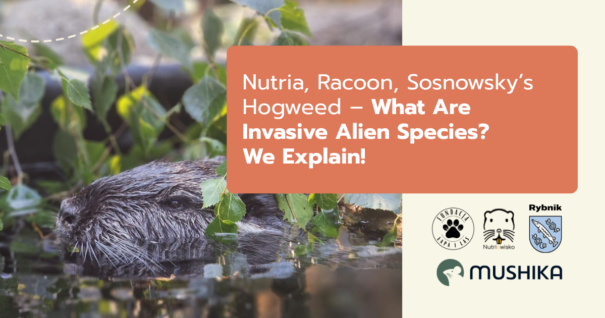
An Uninvited Guest in Nature: How to Respond Wisely to Invasive Species Invasive alien species appear where humans have disrupted the natural order. When they start displacing native species, we face a difficult question: how can we repair the damage…
On December 13, the conference “Rat: Unwanted Guest or Survival Master” took place at the Białoprądnicki Manor in Kraków – the first event in Poland entirely dedicated to rats as sentient, social beings and real co-inhabitants of human cities. The…
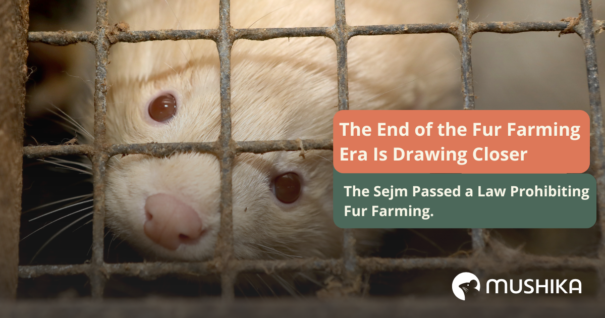
On December 2, 2025, the President of Poland signed the Act of November 7, 2025, amending the Animal Protection Act, introducing a ban on the commercial farming of fur animals, with the exception of rabbits (Oryctolagus cuniculus). This decision concludes…
Management of Invasive Alien Species Populations Managing populations of invasive alien species is one of the most serious and at the same time least intuitive challenges in modern nature conservation. Seemingly harmless—often attractive, exotic, or familiar from cultivation—these species can…
Fur-Free Day Fur-Free Day, observed on November 25, is a yearly reminder that animal suffering in the name of fashion must come to an end, and this change is truly happening. Across Europe, more and more countries are phasing out…
On December 13, 2025, in Kraków, the first conference in Poland fully dedicated to the lives of rats and their place in urban space will take place. The event “Rat: Unwanted Guest or Master of Survival” is organized on the…
This really is the final step. One signature separates us from real change for animals in Poland. The Mushika Foundation has submitted its official position to the President of the Republic of Poland, expressing support for the Act of 7…
The amendment to the Animal Protection Act of 17 October 2025 is one of the most significant steps in the history of animal protection in Poland. It introduces a ban on the commercial keeping and breeding of fur animals. Importantly,…
On 17 October 2025, the Sejm of the Republic of Poland passed a law introducing a nationwide ban on the commercial keeping and breeding of fur animals, with the exception of rabbits. This historic decision has the potential to finally…
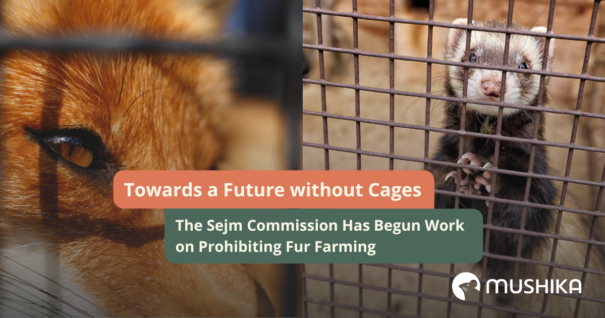
On 7 October 2025, a meeting of the Special Parliamentary Committee on Animal Protection was held, during which two draft bills introducing a ban on fur‑animal farming in Poland were read. This marks the first step toward a change long…
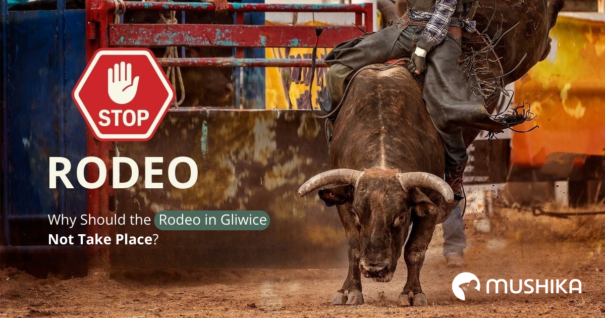
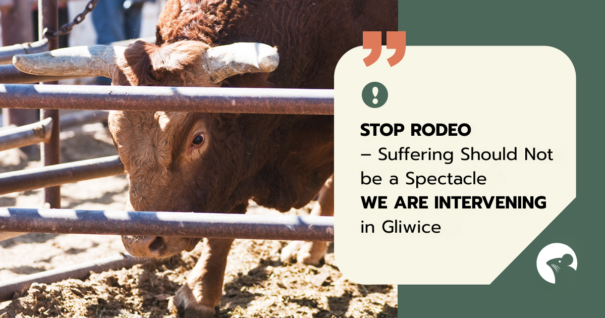
Can entertainment justify animal suffering? In the case of the planned rodeo in Gliwice, the answer seems clear. Concerns about the origin of the animals, the methods used on them, and the safety of participants—including children—raise serious ethical and legal…
The Mushika Foundation has taken decisive action in response to the American Rodeo Polska event planned for 13 September 2025 in Gliwice. The event intends to use horses and bulls, which—in our assessment—poses a serious risk of violating regulations concerning…
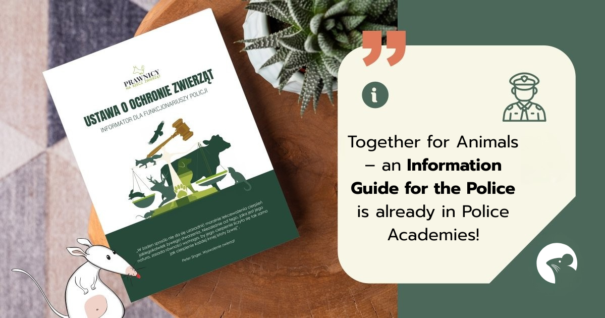
We are delighted and proud to announce our collaboration with the Association Lawyers for Animals, which has resulted in the distribution of a unique publication: “The Animal Protection Act – A Guide for Police Officers” to all police schools in…
Adjust your consent preferences
Below, you can set your preferences for cookies and similar technologies. You decide which ones to enable and which not. Some are necessary for the website to function properly, but you can disable others if you wish. Disabling some cookies may affect your experience or limit access to certain features. For analytical and marketing purposes, we may also use third-party cookies – these files originate from a domain other than the domain of the website you are visiting. You can change your settings at any time or withdraw your consent using the appropriate functionality available on the website. Some cookies (tracking technologies) involve the processing of your personal data. The Mushika Foundation is the data controller. More information about cookies and other tracking technologies, as well as the principles of data processing and your rights, can be found in the Privacy Policy.
Essential cookies
Necessary cookies are essential for the website to function properly. They enable basic functions such as page navigation and form processing. Without these cookies, your experience with the website would be impossible or severely limited.
Analytical cookies
Analytical cookies help us understand how users use the site. They provide information such as visitor numbers and traffic sources, which allows us to analyze statistics and improve site performance.
Advertising cookies
These cookies are used to display advertisements and measure their effectiveness. They allow for the personalization of advertising content and remarketing activities. Refusing consent may result in the display of generic advertisements or their absence.
Functional cookies
Functional cookies help perform certain functions. For example, they allow the website to remember information that changes the appearance or functionality of the site, such as your preferred language, and they also allow you to share site content on social media platforms.
Marketing cookies
Marketing cookies are used to display ads and content tailored to your interests. They may also be placed by our advertising partners through our website.