Glue traps: a cruel method of killing animals. Are they legal?
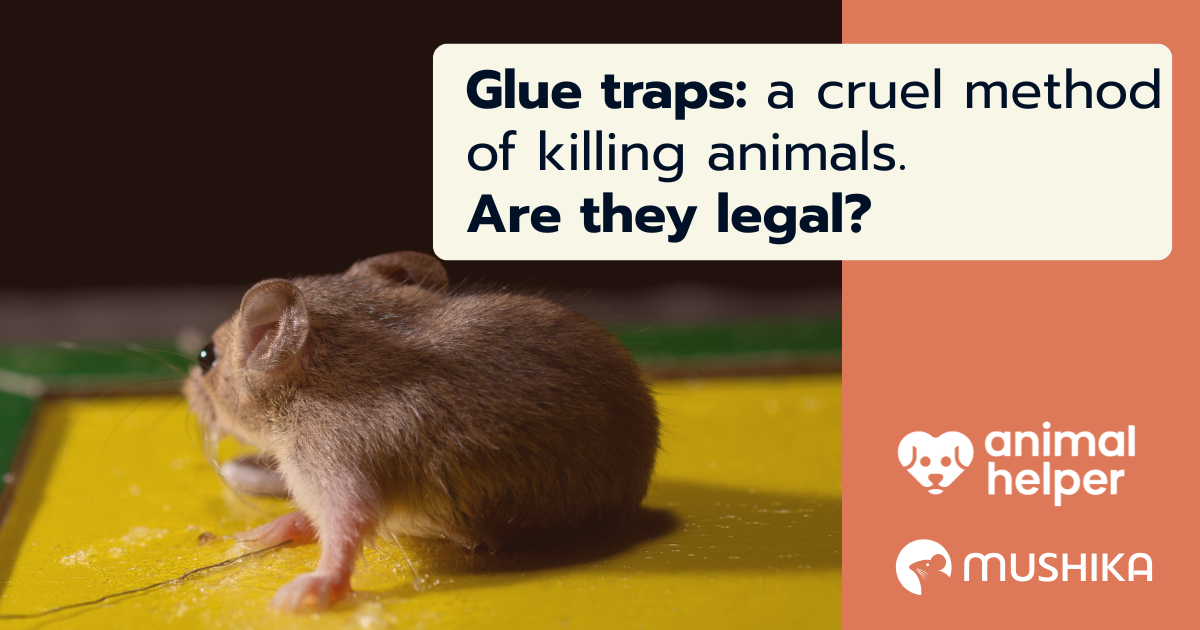
Glue traps are widely available for sale. Often marketed as a “simple” and “effective” solution to rodent problems, in reality they are among the most cruel methods of animal control. In our publication Unknown Residents of the City: A Report on Free‑Living Rats, we show that glue traps not only cause prolonged suffering, but that their use may also be considered contrary to applicable law.
What are glue traps?
A glue trap is a board or tray coated with a non-drying adhesive. An animal that steps onto it becomes immobilized. This is not a killing mechanism. It is a tool of prolonged, passive dying.
Animals die over hours, and sometimes days—from dehydration, exhaustion, injuries, or hypothermia. In desperate attempts to free themselves, they tear their skin, break limbs, or gnaw off their own toes or tails. This is not a quick death. It is agony.
Not only rodents
Glue traps are completely non-selective. This means they trap not only mice or rats, but also birds, hedgehogs, bats, lizards, and even companion animals.
In our report, we emphasize that in practice glue traps often ensnare protected species that have no connection whatsoever to the so-called sanitary problem. A trap does not “distinguish”—the glue works on any animal.
Suffering that lasts for hours
From an animal welfare perspective, glue traps are among the most inhumane killing methods. The animal remains fully conscious. Experiencing pain, fear, and stress, it fights for its life until total exhaustion.
In our legal analysis included in the report, we point out that such actions do not meet the criterion of humaneness—and this is crucial.
What the law says
Under the Animal Protection Act, all vertebrate animals are sentient beings capable of experiencing suffering and are protected against the infliction of pain and stress. The law allows killing animals only in exceptional circumstances, such as to eliminate a serious sanitary threat, and only under one condition: it must be carried out in a humane manner.
Key facts:
- Killing animals is, as a rule, prohibited.
- An exception (e.g. in the course of pest control activities) is permissible only if it is carried out humanely, i.e. with minimal physical and psychological suffering.
- Inhumane methods— even if the purpose (sanitary protection) is justified—may constitute a criminal offence.
Although Polish law does not explicitly prohibit the sale of glue traps, their use may be assessed as illegal under the Animal Protection Act. In our legal analysis, we also indicate that criminal liability cannot be ruled out—not only for the person using the trap, but also for manufacturers or distributors as entities facilitating the commission of the act.
A true story with an unusual ending
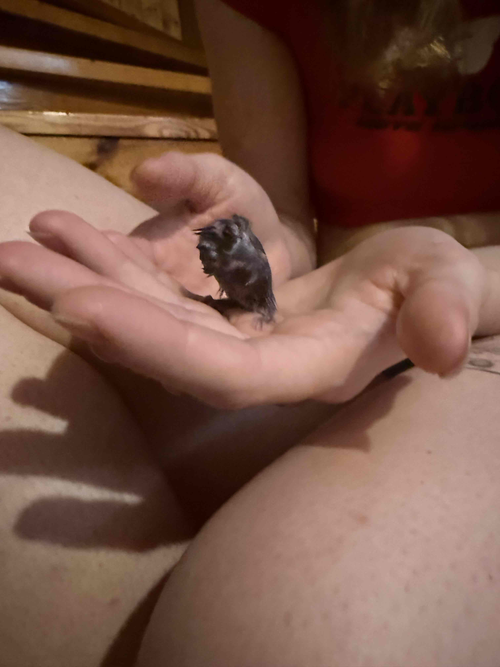
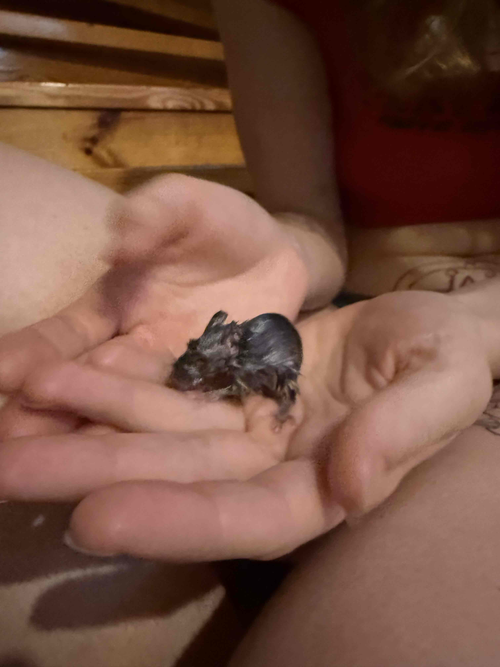
At the end of 2025, a report was submitted through the Animal Helper app concerning a small mouse trapped on a glue board. The person who found it managed to free the animal using vegetable oil, but was unsure whether it could be released in that condition or how to ensure its safety.
The animal was taken to a veterinary clinic in Warsaw. It was placed in an incubator, warmed, cleaned of glue residue, and given proper care. After some time, it was returned to the wild.
This is a rare example. Most animals trapped on glue boards never get such a chance.
What to do if you find an animal stuck in a glue trap
If you encounter an animal stuck on a glue trap:
- Do not leave it alone. Every hour means real suffering.
- Do not pull the animal off by force—it can cause serious injuries.
- If possible, use vegetable oil (e.g. olive oil, sunflower oil, or rapeseed oil) to dissolve the glue—very gently.
- Place the animal in a warm container lined with paper towels or a soft cloth and keep it quiet.
- Contact a veterinary clinic or an animal rescue organization as soon as possible.
Remember—even if the animal has been freed and cleaned of glue, it may still require veterinary care.
Glue traps are not a solution
In the report Unknown Residents of the City, we emphasize one thing: rodent control does not have to mean killing. And killing must never mean cruelty. The law does not require rats or mice to be killed—it speaks of rodent control, which leaves room for humane and preventive methods.
Glue traps do not solve sanitary problems. Instead, they generate enormous, unnecessary suffering and affect animals that have nothing to do with the “rodent problem.”
If we want to speak of a responsible city and an ethical approach to animals, glue traps should disappear from use. They are brutal, and their so-called “effectiveness” ends with a single trapped animal—not with solving the problem.