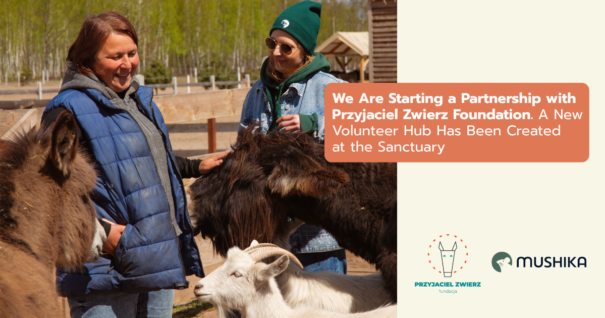
Volunteers are the heart of many non-profit organizations. Thanks to their dedication, it is possible to help animals, carry out educational activities, and build local communities based on cooperation and responsibility. This is why Mushika Foundation and Przyjaciel Zwierz Foundation…
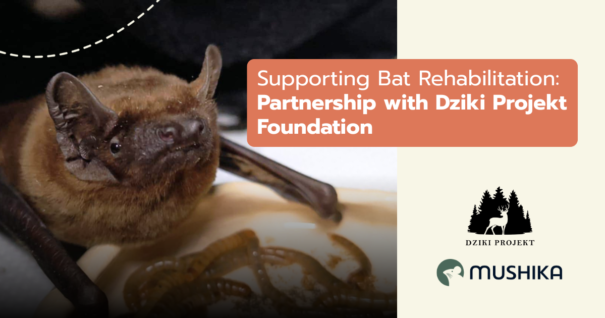
If you have a toothache, you go to a dentist. If you get sick, you visit a doctor. The same principle should apply to wild animals. When they need help, they should be placed in the care of specialists at…
The sensory garden at the animal shelter in Świdnica is now complete. This is the space we wrote about earlier, explaining why it is so important for dogs living in shelter conditions. Today we are no longer talking about plans.…
Free-living cats are part of our cities and villages. They are not homeless in the literal sense – their home is the space where they live. But that does not mean they can manage entirely on their own. They need…
29 January In winter, the number of reports concerning animals in need of help increases significantly. Low temperatures, moisture, and lack of shelter can quickly lead to hypothermia and, in extreme cases, death. That’s why every quick reaction matters during…
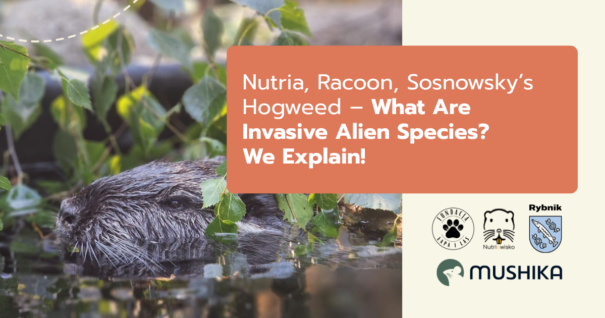
The nutria (Myocastor coypus), more precisely the American nutria, is a fairly large, semi‑aquatic rodent originating from South America. In its natural environment, it inhabits the banks of rivers, lakes, and marshes in Argentina, Chile, Uruguay, Paraguay, and southern Brazil.…
In animal welfare work, one principle is key: help only makes sense when it genuinely improves the quality of animals’ lives. Both Fundacja Mam Pomysł, which runs the Shelter for Homeless Animals in Świdnica, and Fundacja Mushika follow an approach…
An Uninvited Guest in Nature: How to Respond Wisely to Invasive Species Invasive alien species appear where humans have disrupted the natural order. When they start displacing native species, we face a difficult question: how can we repair the damage…
Management of Invasive Alien Species Populations Managing populations of invasive alien species is one of the most serious and at the same time least intuitive challenges in modern nature conservation. Seemingly harmless—often attractive, exotic, or familiar from cultivation—these species can…
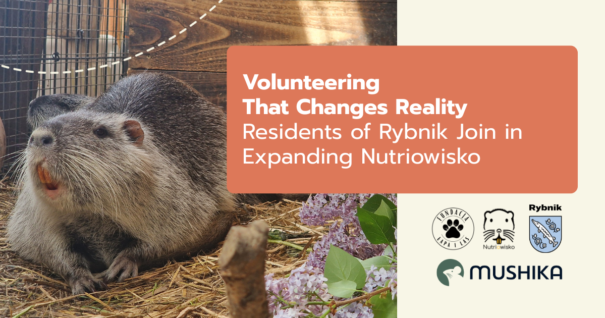
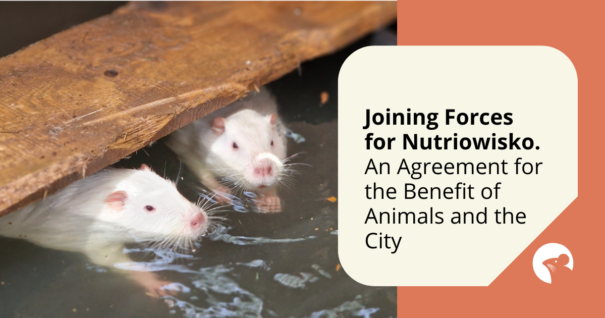
Nutriowisko — a centre providing shelter for nutria captured in urban areas — was created and developed thanks to the enormous dedication of the small team at the Łapa i Las Foundation, which, despite limited resources, ensured its daily functioning.…
Rybnik is choosing responsible and thoughtful action. The City Hall and the Mushika Foundation have signed a three‑year agreement with the Łapa i Las Foundation, which runs the Nutriowisko centre. Joint efforts to support nutria captured in urban areas fill…
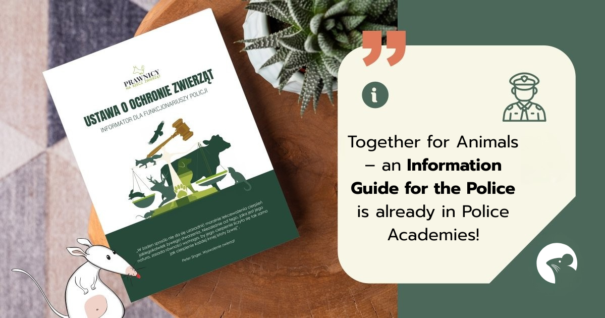
We are delighted and proud to announce our collaboration with the Association Lawyers for Animals, which has resulted in the distribution of a unique publication: “The Animal Protection Act – A Guide for Police Officers” to all police schools in…
Adjust your consent preferences
Below, you can set your preferences for cookies and similar technologies. You decide which ones to enable and which not. Some are necessary for the website to function properly, but you can disable others if you wish. Disabling some cookies may affect your experience or limit access to certain features. For analytical and marketing purposes, we may also use third-party cookies – these files originate from a domain other than the domain of the website you are visiting. You can change your settings at any time or withdraw your consent using the appropriate functionality available on the website. Some cookies (tracking technologies) involve the processing of your personal data. The Mushika Foundation is the data controller. More information about cookies and other tracking technologies, as well as the principles of data processing and your rights, can be found in the Privacy Policy.
Essential cookies
Necessary cookies are essential for the website to function properly. They enable basic functions such as page navigation and form processing. Without these cookies, your experience with the website would be impossible or severely limited.
Analytical cookies
Analytical cookies help us understand how users use the site. They provide information such as visitor numbers and traffic sources, which allows us to analyze statistics and improve site performance.
Advertising cookies
These cookies are used to display advertisements and measure their effectiveness. They allow for the personalization of advertising content and remarketing activities. Refusing consent may result in the display of generic advertisements or their absence.
Functional cookies
Functional cookies help perform certain functions. For example, they allow the website to remember information that changes the appearance or functionality of the site, such as your preferred language, and they also allow you to share site content on social media platforms.
Marketing cookies
Marketing cookies are used to display ads and content tailored to your interests. They may also be placed by our advertising partners through our website.