How to Respond When an Animal Needs Help – and What Happens Next
29 January
In winter, the number of reports concerning animals in need of help increases significantly. Low temperatures, moisture, and lack of shelter can quickly lead to hypothermia and, in extreme cases, death. That’s why every quick reaction matters during the colder months — and why it’s crucial that after an intervention, a dog ends up in conditions that genuinely protect it from further danger.
See it? Act!
Below is a short guide we prepared together with the Mam Pomysł Foundation, explaining where and how to report situations requiring assistance. Depending on the type of incident and the level of danger, different procedures apply. Knowing them helps ensure that support is fast and effective.
A Homeless Animal
First, contact your local municipal or commune office. Municipalities are responsible for implementing animal homelessness management programs and organizing assistance within their area.
Urgent, Life‑Threatening Situations
If an animal is in danger, is a victim of abuse, or its life is at risk, the case should be reported to the police or municipal guard. These services have the tools to take immediate action.
Owned Animals in Winter
Any animal kept outdoors must have access to shelter and water. An insulated doghouse, an appropriate tether length, and good physical condition are the basic minimum requirements for a dog’s welfare.
Local Organizations and Foundations
They often provide advisory support, assist with reporting, and coordinate on‑site actions — especially where time and good cooperation matter. In many counties, the Veterinary Inspectorate also offers support.
Report With Complete Information
Photos, an exact location, and a brief description of the situation greatly facilitate effective intervention.
A Sensory Garden for Dogs
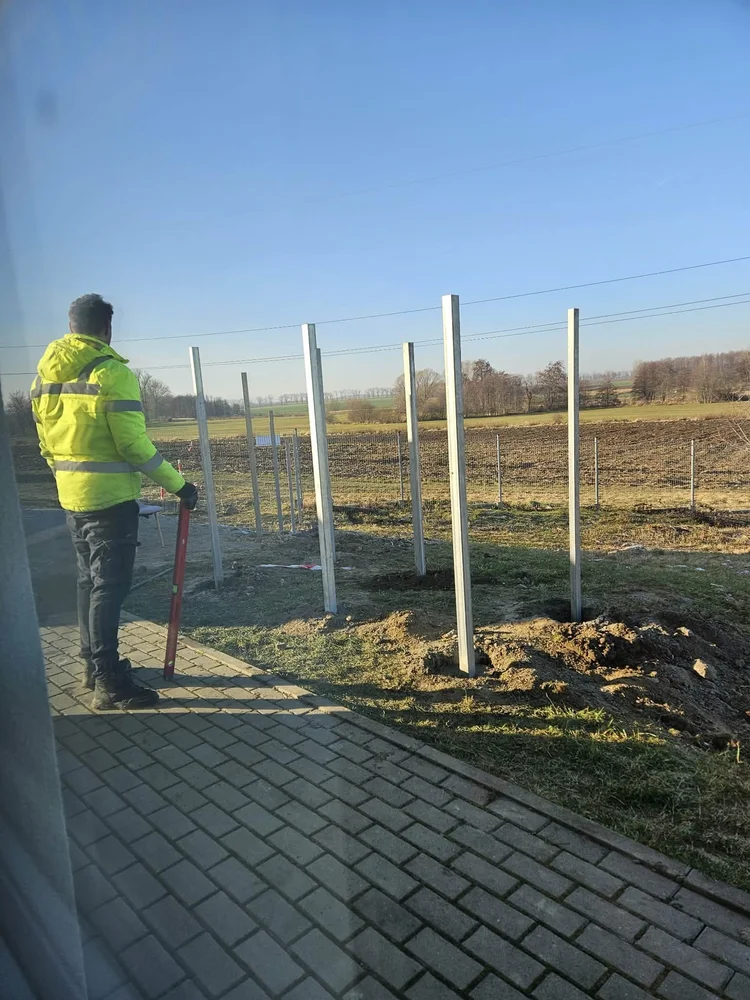
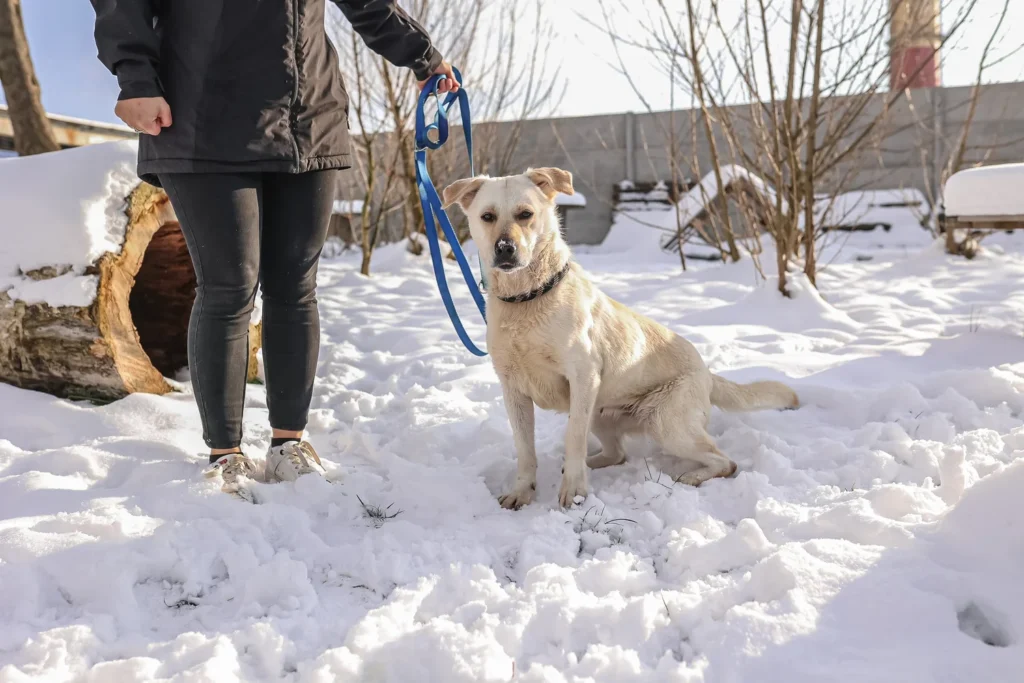
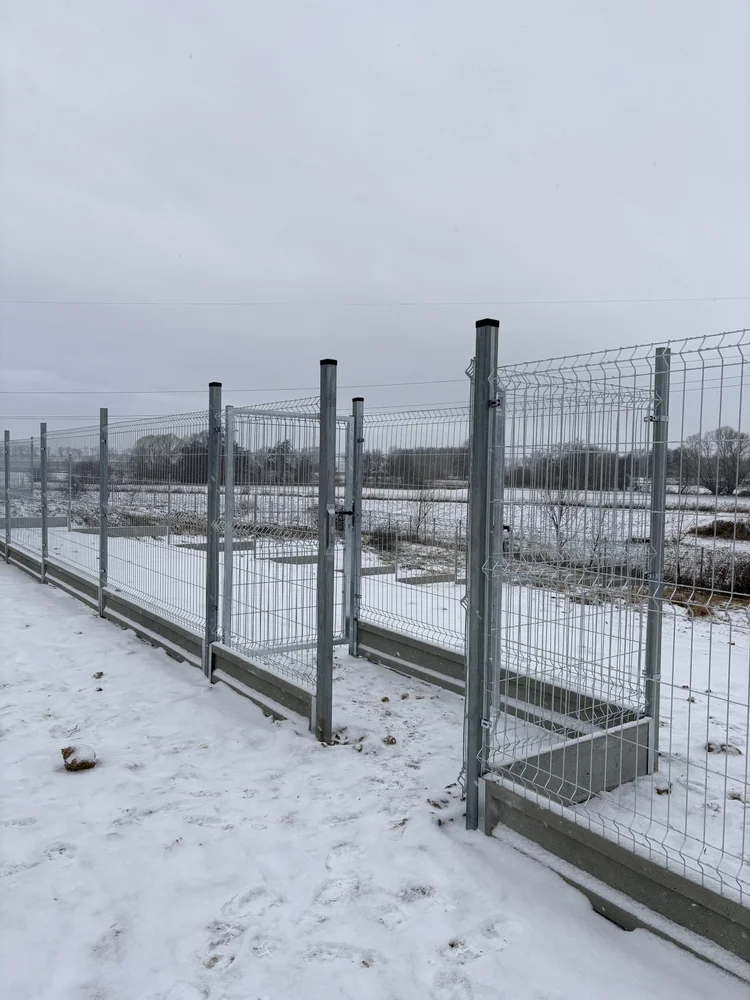
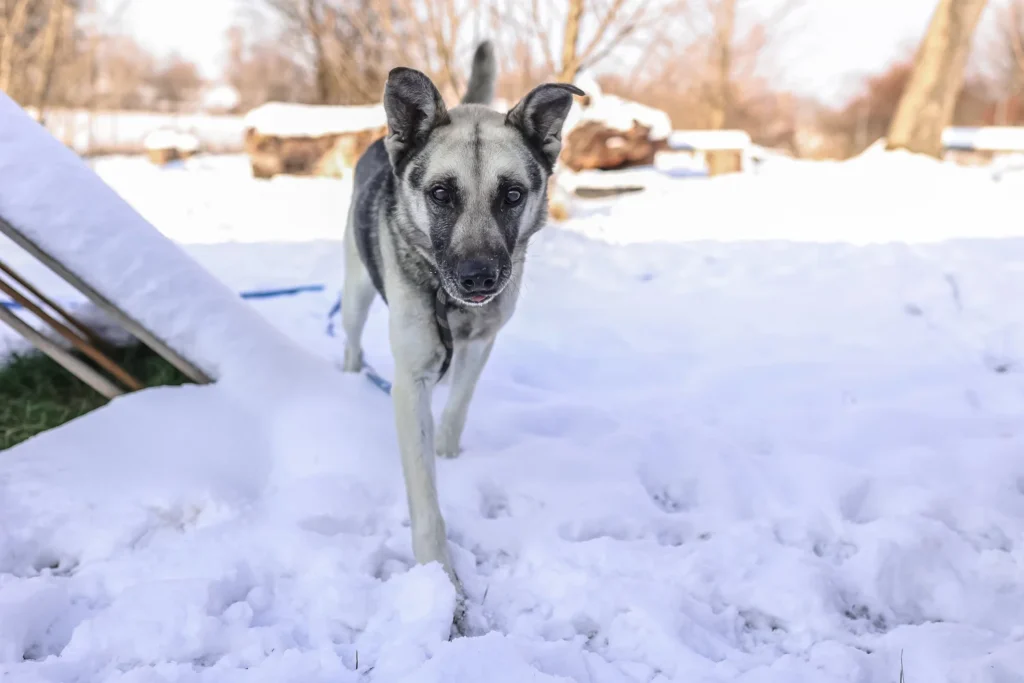
At the Animal Shelter in Świdnica, we have completed land preparation and installed fencing for an enclosure that will eventually become part of a sensory garden. Thanks to funding from the Mushika Foundation, a space has been created where we can work with dogs outside their kennels — observe their behaviour, monitor their reactions to stimuli, support emotional regulation, and prepare them for further stages of care and adoption.
These are exactly the kinds of places that turn emergency intervention into real, lasting change in a dog’s life.
Cooperation That Works
Helping animals is most often a joint effort involving many people and institutions. The more we know, the faster and wiser we can respond. This approach also guides the cooperation between the Mushika Foundation and the Mam Pomysł Foundation, resulting in solutions that strengthen not only crisis response but also the ongoing work with dogs after intervention.