Thinking About Adopting a Dog or Cat? Here’s How to Prepare
Adopting a dog or a cat is a decision that changes the life of both the animal and the person. It’s a beautiful moment, but also a responsibility that lasts for many years. A well-managed adoption process increases the chances of finding a safe and lasting home and reduces the risk of animals being returned. Here’s what the adoption process looks like step by step and how you can best prepare for it.
What the dog or cat adoption process looks like
Although the details may vary between organizations, responsible adoptions usually follow a similar process.
1. Choosing an animal
The first step is getting to know the animal and checking whether it matches the future guardian’s lifestyle. It’s worth considering not only appearance, but above all personality, activity level, and the animal’s needs.
2. Pre-adoption interview
This is a time to get to know each other. Shelter staff ask about living conditions, previous experience, and expectations to make sure that the animal and the future guardian will be a good match.
3. Walk or introductory meeting
The future guardian has the opportunity to spend time with the animal. In the case of dogs, this often means going for a walk together or spending time in an exercise yard.
4. Adoption formalities
If the decision is positive, an adoption agreement is signed and the guardian receives full information about the animal’s health and needs.
5. Adjustment period in the new home
This is a very important stage. The animal needs time to feel safe and to learn a new routine.
Why getting to know a dog before adoption is so important
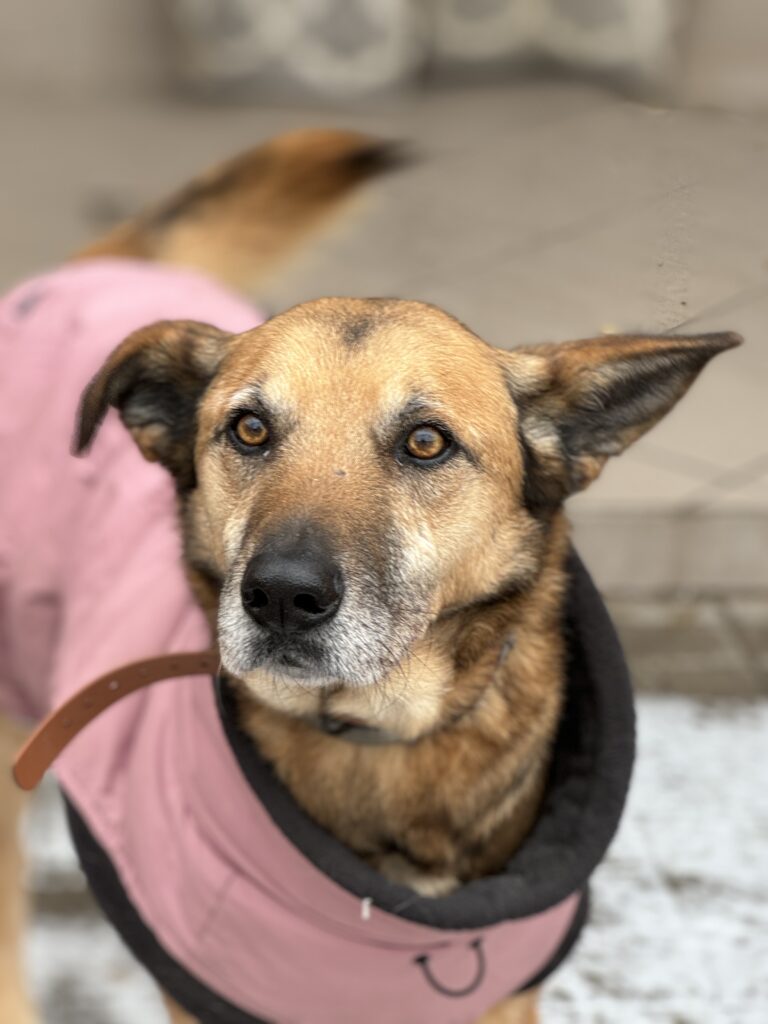
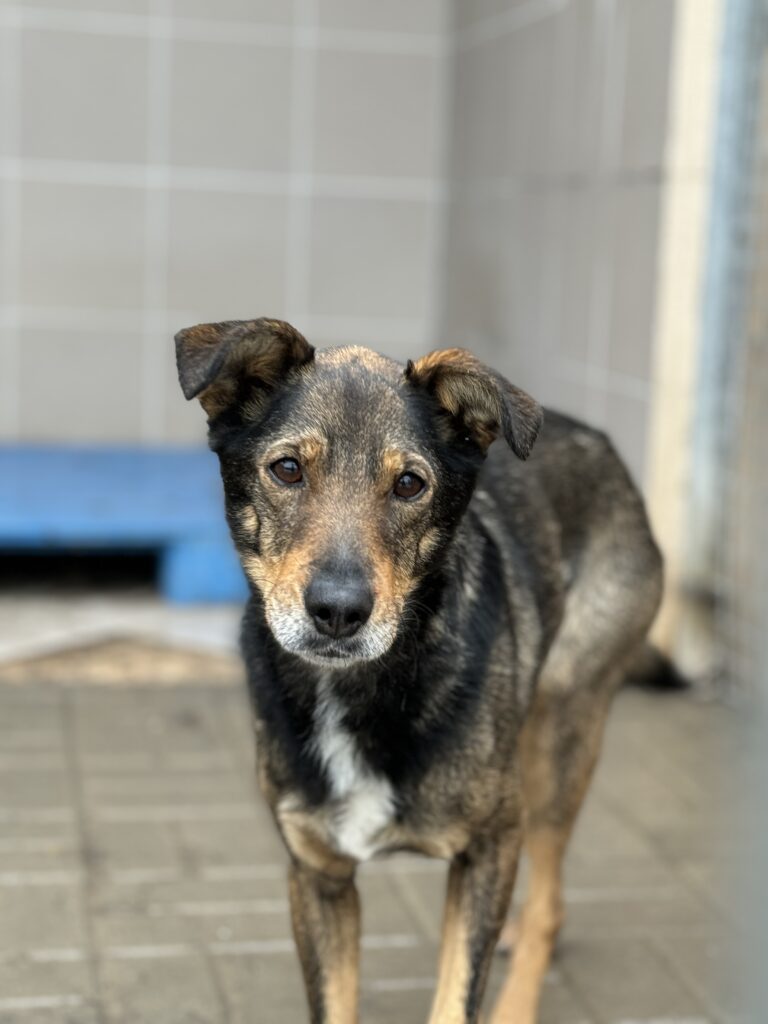
First impressions at a shelter can sometimes be misleading. A dog in a kennel often behaves differently than it would in a calm environment—it may appear overly excited, withdrawn, or stressed. That’s why observing the dog’s behavior in more natural conditions is essential.
Shelter infrastructure plays a key role here. Enclosed exercise yards and sensory gardens allow people to:
- see the dog in motion and freely exploring the environment,
- assess its energy level and style of play,
- observe its reactions to people in a less stressful setting,
- begin the first elements of behavioral work.
Thanks to this, future guardians can make decisions based on the dog’s real behavior rather than only on its reactions inside a kennel.
At the Świdnica Animal Shelter, two new exercise yards have recently been built, with fencing funded by the Mushika Foundation. This is a concrete improvement that allows staff and adopters to get to know dogs better before adoption, observe their behavior, and work on their wellbeing.
Preparing for adoption
A successful adoption begins even before the animal arrives at its new home.
Prepare the space
Place a bed in a quiet area, prepare food and water bowls, secure cables and valuable items, and make sure you have a harness, leash, and carrier.
Allow time for adjustment
The first days should be calm and predictable. Avoid too many visitors, loud environments, and intense activities.
Set realistic expectations
Adopted animals need time. They may feel insecure, overly excited, or withdrawn at first. This is normal.
Use available support
If difficulties arise, it’s worth contacting the shelter or a behavior specialist. Early action can help prevent potential problems.
Adoption is a process, not a single decision
Responsible adoption begins at the shelter, but its success depends on the guardian’s preparation and the quality of support the animal receives before leaving the facility.
This is why investing in safe and well-designed shelter infrastructure—such as enclosed exercise yards and sensory gardens—is so important. These spaces help people better understand the dogs, prepare them more effectively for life in a home, and increase the number of successful adoptions.